

TIMELINE
2025 SUMMER
SKILL
Comparative East Asian Studies,Public Policy Research, Legal Literacy Education ,Survey Design & Statistical Analysis, Community Outreach & Partnership Building Youth Advocacy, Cross-Cultural Communication
ROLEFounder & Project Director
leading East Asian youth protection policy research, overseeing legal handbook design and legal education lecture development, and coordinating law firm partnerships and school-community outreach.
——————————————————————————————————————————————————————————————————————————————————————————————————————————
Protecting Youth, Preserving Order
INSPRIATION
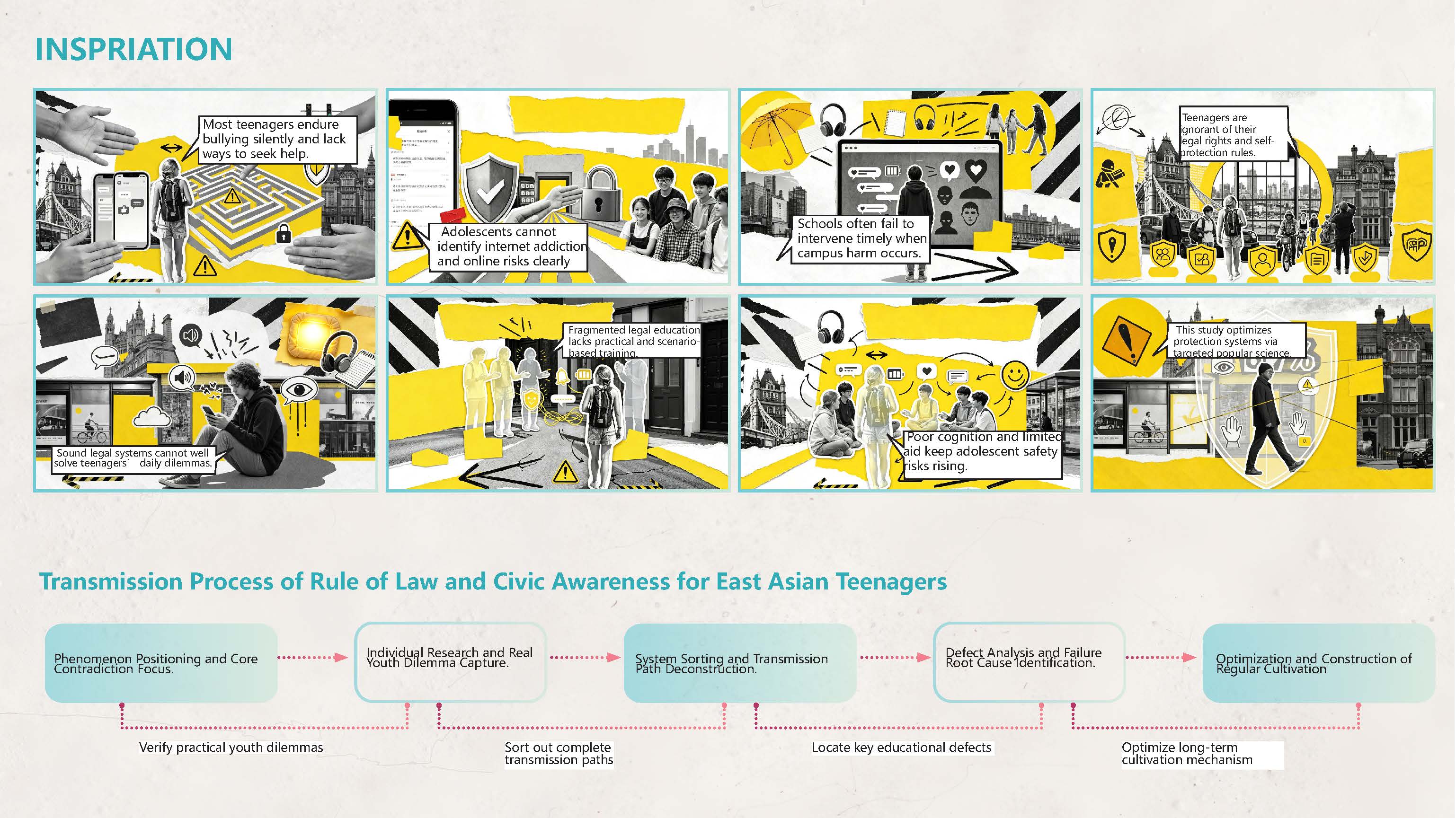
Why do many young people have legal rights but lack legal awareness?
I observed the paradox that youth hold legal rights but lack legal awareness: written laws often remain inaccessible due to information gaps, and are rarely understood or applied by young people. In response, I launched legal education programs to bridge the legal literacy gap for teenagers.
How do East Asian societies teach responsibility, discipline, and citizenship to the next generation?
Moving beyond a purely legal framework, I study how East Asian societies transmit responsibility, discipline and citizenship via school practice, family role-modeling and community immersion — the "duty-over-rights" enculturation blind spot is where my legal education work intervenes.
ACTION
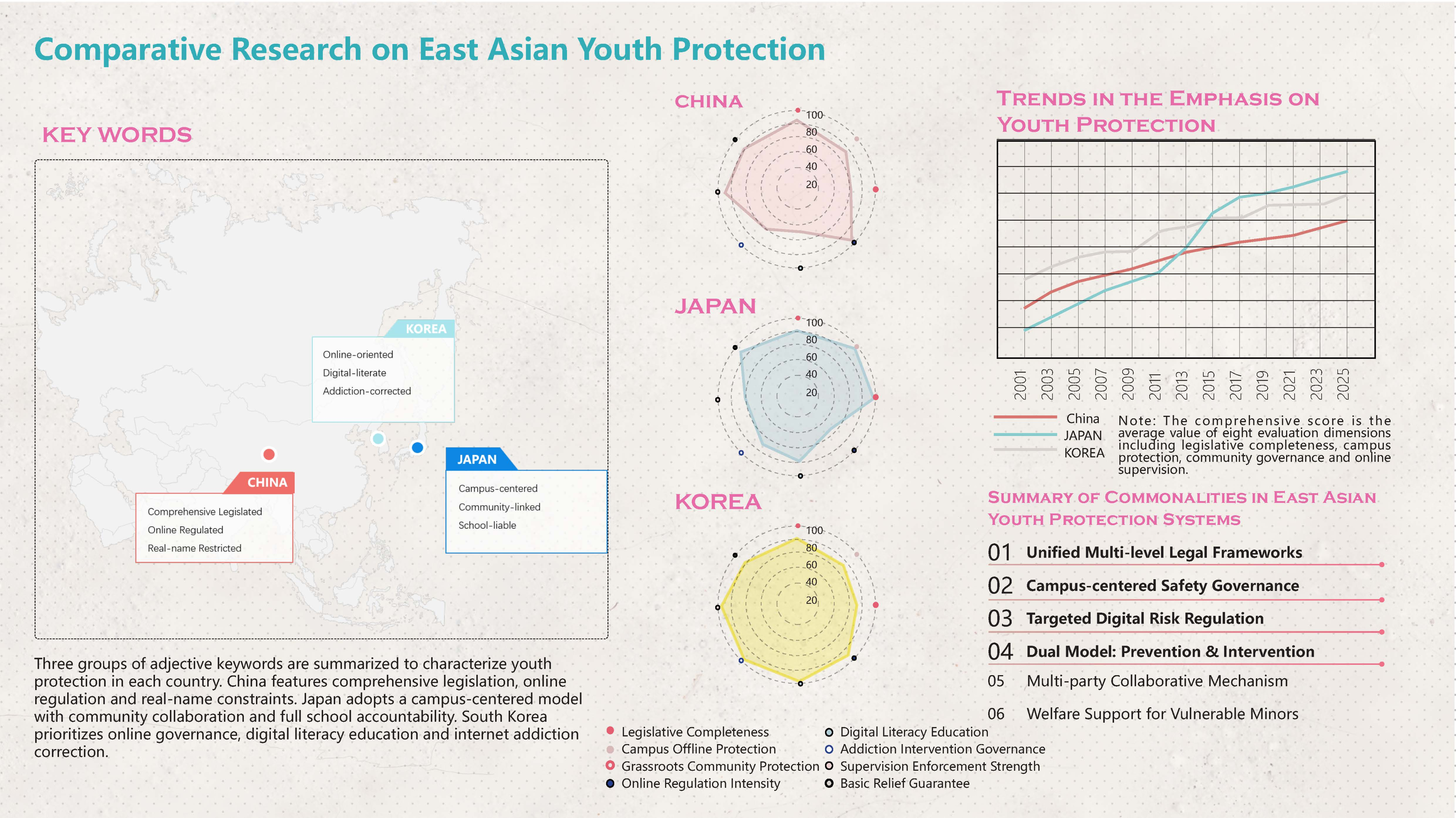
Phase 1: Comparative Research on East Asian Youth Protection
Phase 1 investigates juvenile legal protection systems in three East Asian countries and extracts national model features. China emphasizes comprehensive legislation, online regulation and real-name constraints. Japan adopts a campus-centered model with community collaboration and full school accountability. South Korea focuses on online governance, digital literacy education and internet addiction correction, laying the foundation for subsequent research.
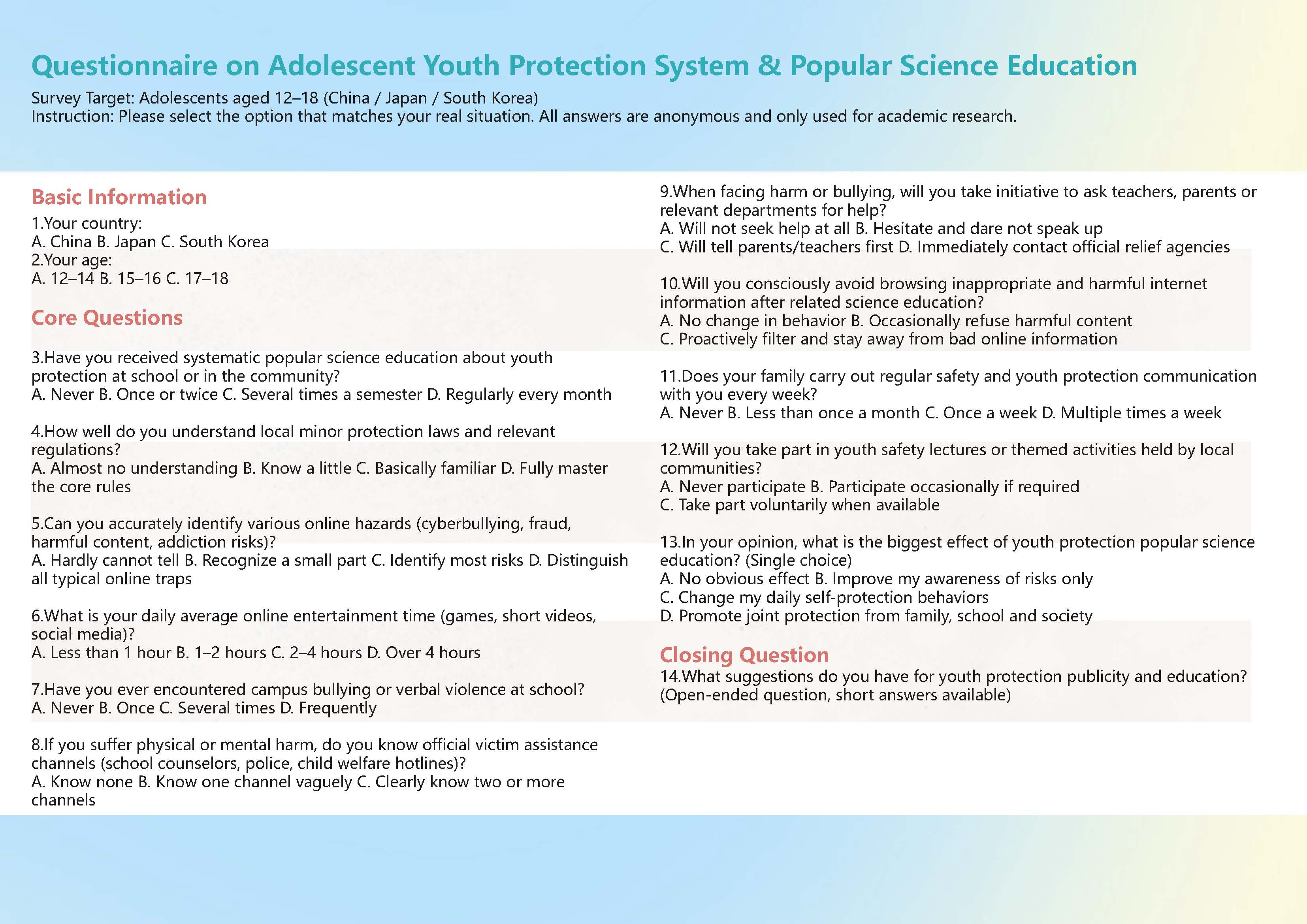
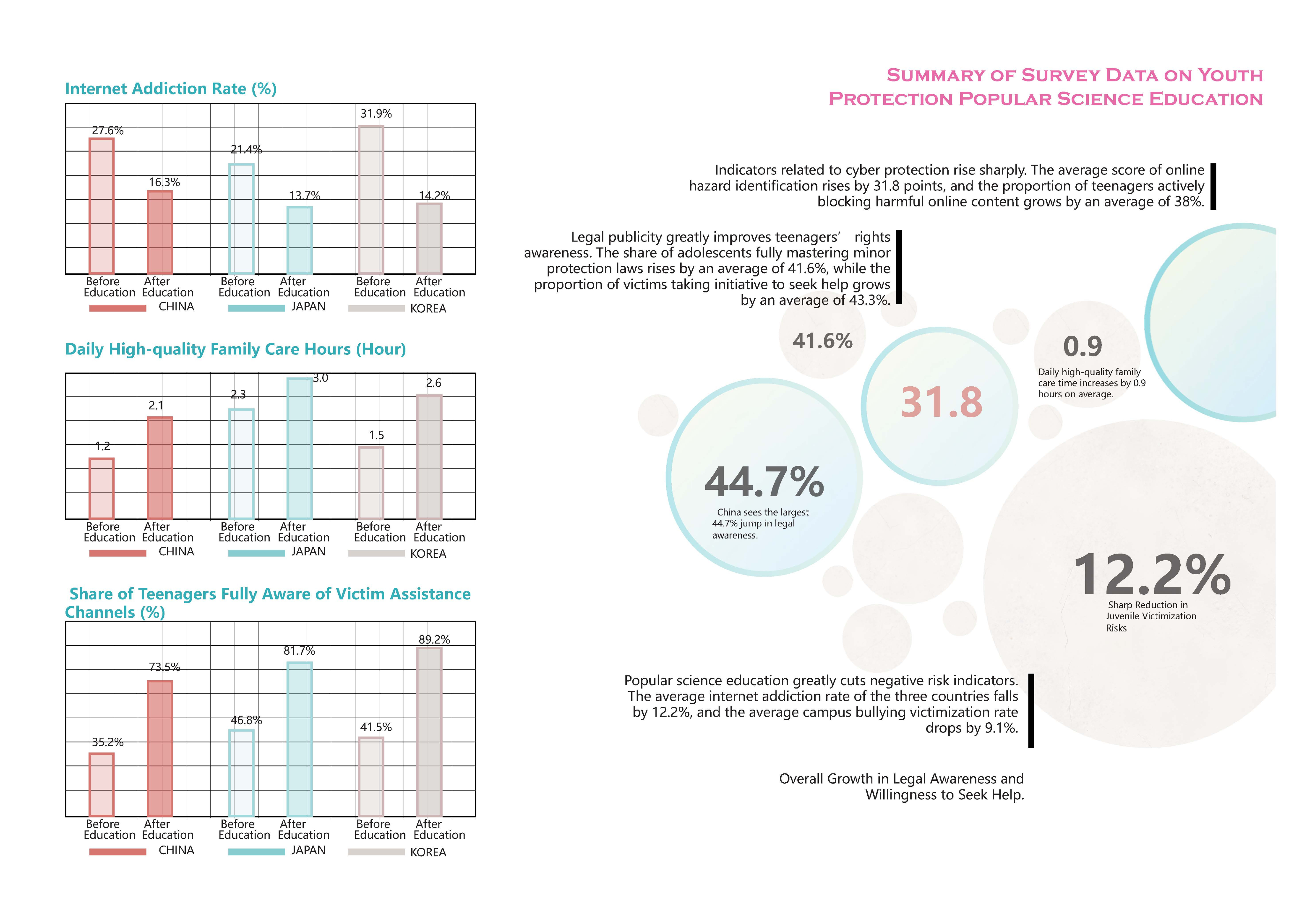
Phase 2: Data-Driven Legal Education
Phase 2 adopts questionnaire surveys as the core research method to systematically collect adolescent cognitive and behavioral data before and after legal popular science intervention. It quantitatively compares changes in teenagers’ legal cognition, risk identification and self-protection abilities, providing valid empirical support for the research conclusions.
Phase 3: Legal Popularization Lecture
Phase 3 takes legal education lectures as the core research intervention. It conducts scenario-based legal popular science training for adolescents, focusing on real-life dilemmas such as campus bullying, online risks and rights protection. This stage completes systematic legal education intervention and forms the core experimental link of this study.
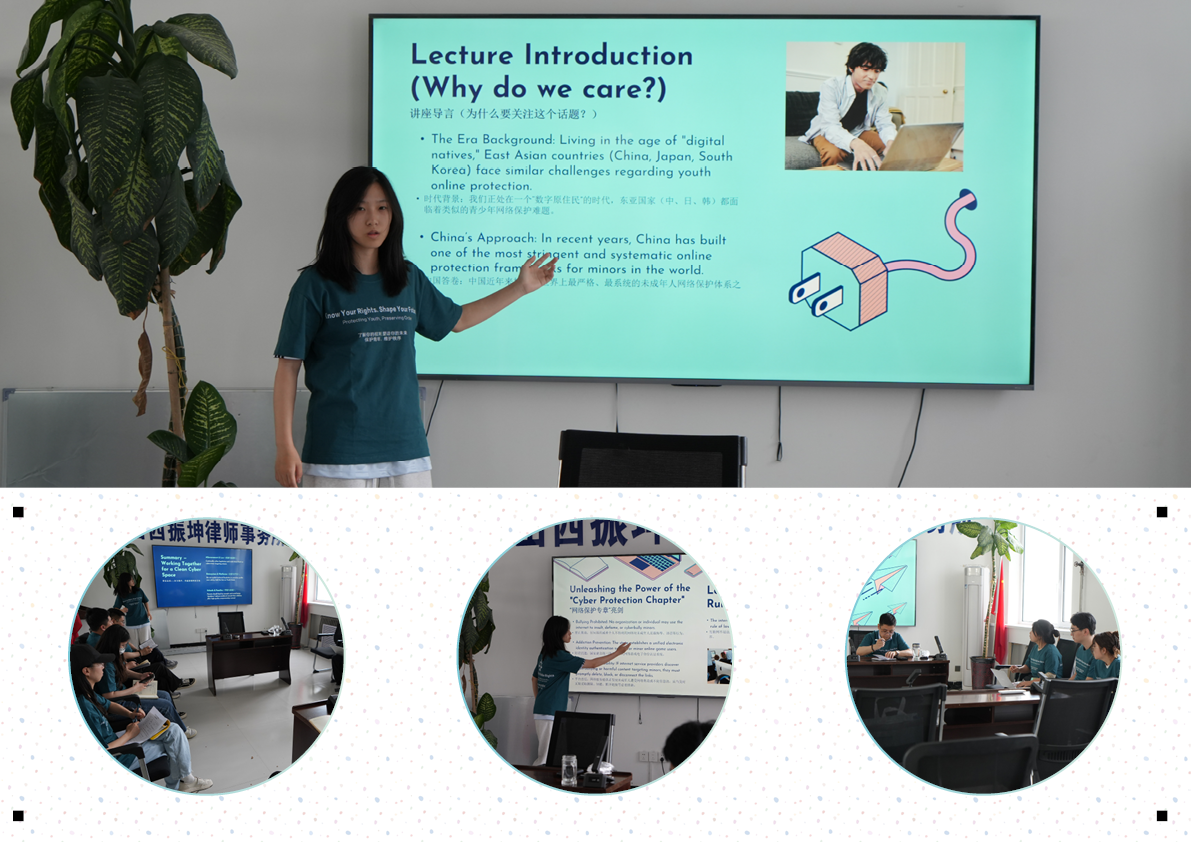
Phase4: Legal Popularization Lecture
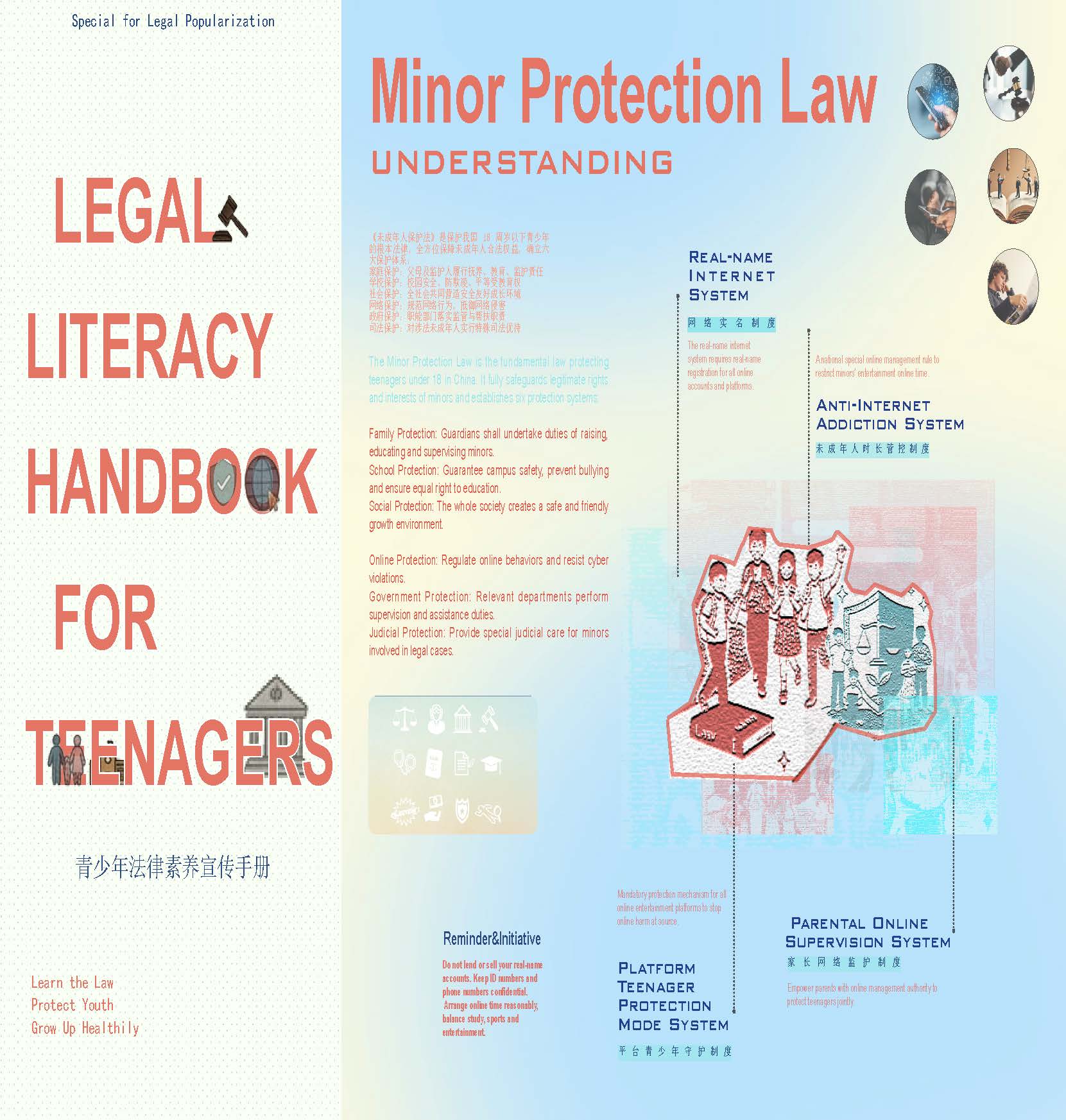
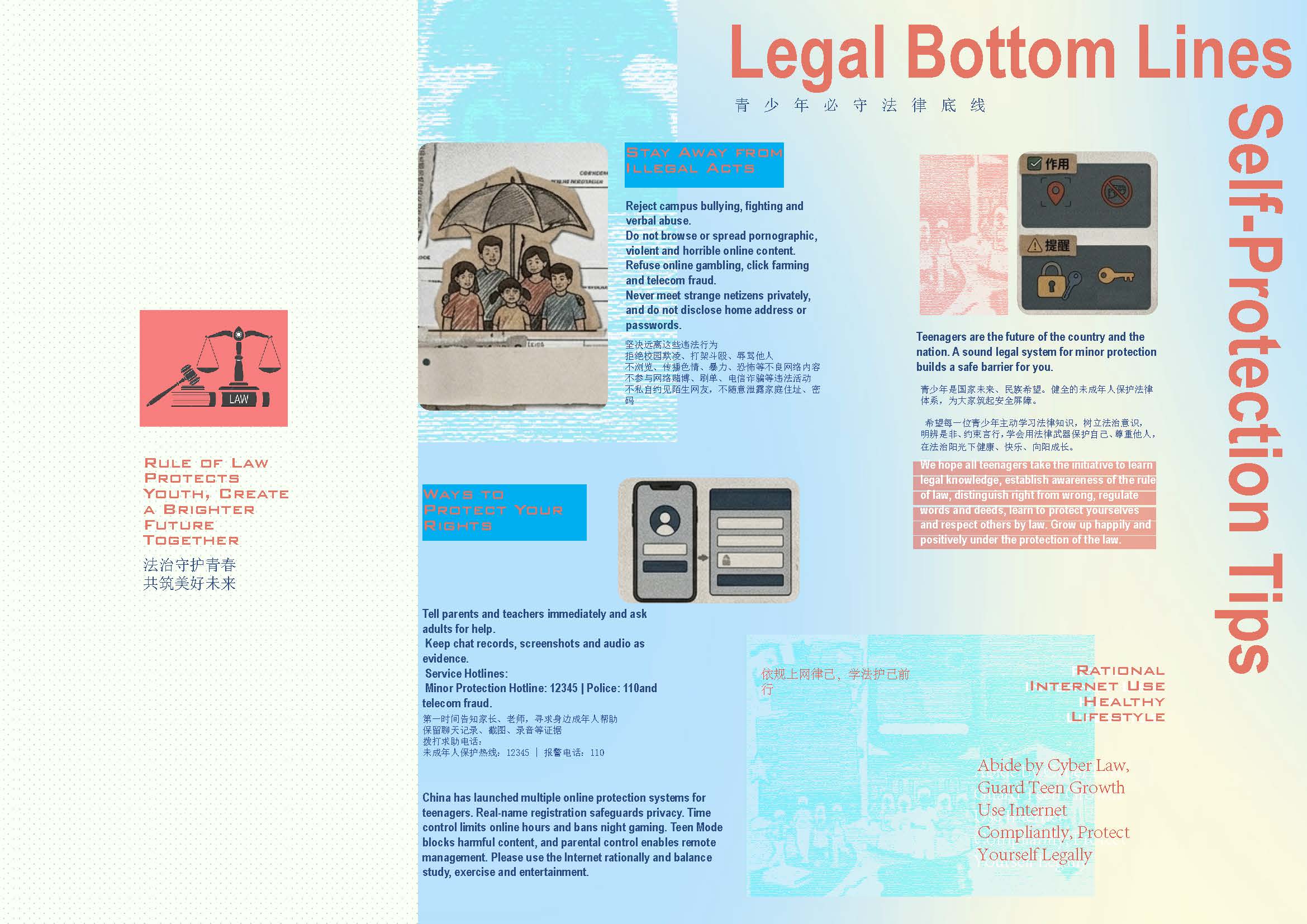
As the project leader, I compile a professional legal literacy brochure for adolescents based on previous survey data and legal education lecture outcomes. This booklet organizes practical daily legal knowledge, risk identification skills and self-protection strategies into simple and understandable popular science materials. I distribute and promote the brochure among adolescent groups to consolidate and extend the practical effects of legal popularization intervention.
Duration
Implemented throughout empirical research
Target Recipients
Middle and high school adolescents
Impact Scope
Teenagers, schools, families and communities
Beneficiaries
Campus and community legal education scenarios
IMPACT & METRICS
Leading this youth legal literacy initiative, I designed and published tailored legal education brochures and delivered interactive offline lectures to make formal legal knowledge accessible and relatable for teenagers. By translating abstract legal theories into real-life guidance, the project effectively improved young participants’ legal awareness, risk judgment, and self-protection skills. Beyond individual growth, the program extended its positive influence to schools, families and local communities, building a supportive educational environment for adolescent civic development. It also created a practical, replicable outreach model that provides actionable insights for future youth legal education practices.